How to Remove Rust Stains From Toilet Bowls (and Stop Them Coming Back)
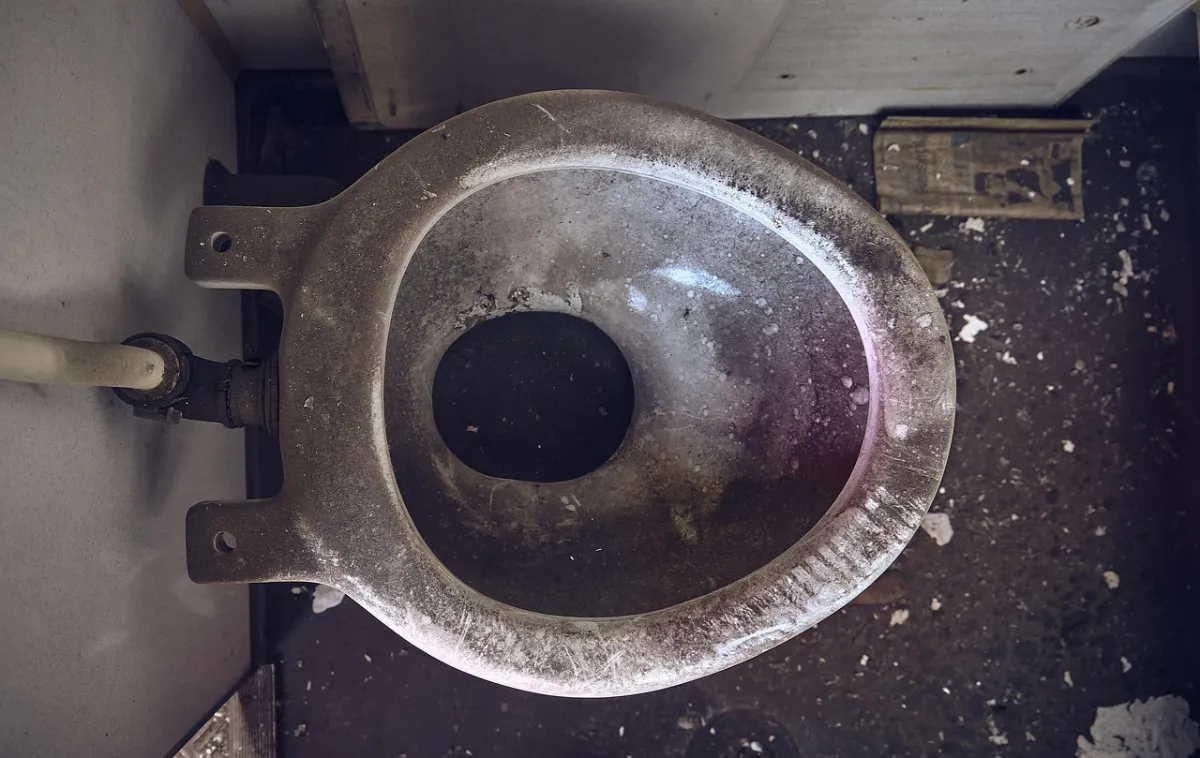
Lower the water, coat the orange streaks with white vinegar or a rust remover such as CLR, then scrub with a wet pumice stone, and most rust stains lift off the porcelain. When you work out how to remove rust stains from toilet bowls, it helps to know the porcelain itself is not rusting at all. CLR explains that the orange and brown marks come from water that is high in iron. This guide covers how to remove rust stains from toilet bowls with the gentlest method first, plus how to keep iron from staining the bowl again a week later.
Where Toilet Rust Stains Come From
Iron dissolved in your water reacts with oxygen and settles on the porcelain as reddish-brown iron oxide. Homes on well water often have the most iron, but old galvanized pipes and corroded tank parts can add to it. The stains usually appear as streaks under the rim jets and as a ring at the waterline, where water sits longest.
Hard water makes the problem worse, because calcium deposits create a rough layer that iron sticks to. A toilet that is rarely flushed, such as one in a guest bathroom, also stains faster since the water sits still. Knowing the source matters for how to remove rust stains from toilet bowls for good rather than just for a week.
Start by Lowering the Water
Cleaners work far better on dry porcelain than underwater, so lowering the water is the first step in how to remove rust stains from toilet bowls. Turn off the supply valve behind the toilet, flush once, and the bowl will empty most of the way. Push the last bit of water down with a toilet plunger or soak it up with an old sponge.
Wear rubber gloves and open a window before you start. Check the tank too, since rust there drips onto the bowl with every flush. Our guide on how to clean toilet tank walks through that job if the inside looks orange.
How to Remove Rust Stains From Toilet Bowls With Vinegar and Baking Soda
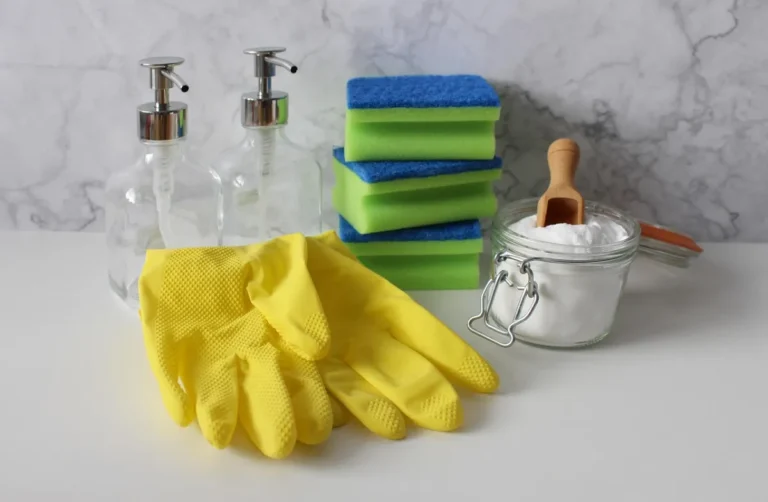
This gentle method is the right first try for light or recent stains. White vinegar is a mild acid that loosens iron oxide, while baking soda adds a little scrubbing power.
- Lower the water as described above.
- Pour two cups of white vinegar over the stains, or lay paper towels soaked in vinegar on the streaks under the rim.
- Leave it for at least an hour, or overnight for darker marks.
- Sprinkle baking soda over the stains and scrub with a stiff toilet brush.
- Turn the water back on and flush to rinse.
Repeat once or twice for older marks before moving on. This kitchen cupboard approach is how to remove rust stains from toilet bowls without buying anything new.
Use a Pumice Stone for Stubborn Rust
A pumice stone physically grinds the deposit away while leaving glazed porcelain intact, as long as both stay wet. Soak the stone in water for a few minutes, then rub it gently over the stain with light pressure. A dry pumice stone or too much force can scratch the glaze, so keep dipping it in water as you work.
Pumice is safe on standard vitreous china toilets from brands like Kohler, TOTO and American Standard. Never use it on colored, painted or specially coated bowls, and skip steel wool, which leaves its own rust behind. For many people dealing with well water, pumice is the most reliable answer to how to remove rust stains from toilet bowls that nothing else shifts.
Commercial Rust Removers
When vinegar and pumice are not enough, a product made for iron stains does the heavy lifting. CLR suggests turning off the supply, flushing to empty the bowl, pouring in one cup of CLR Calcium, Lime and Rust Remover, and waiting two minutes before scrubbing. Products containing oxalic acid, such as Bar Keepers Friend, also dissolve rust on porcelain.
Follow the label exactly, wear gloves, and never combine these products with bleach or other cleaners. Rinse well and flush twice afterward so no acid stays in the bowl. Choosing the right product is how to remove rust stains from toilet bowls that have built up over months.
Why Bleach Makes Rust Worse
Chlorine bleach seems like the obvious choice for how to remove rust stains from toilet bowls, but it reacts with iron and can darken rust stains or set them deeper. It also does nothing to dissolve the mineral layer underneath. Use bleach only for disinfecting after the rust is gone, and rinse the bowl first.
Never mix bleach with vinegar, CLR or ammonia, since the combination can release toxic gas. Our guide on is it safe to mix bleach and vinegar explains the risk in detail.
How to Keep Rust Stains From Returning
Stains that return within days point to your water, not your cleaning, so the long-term part of how to remove rust stains from toilet bowls is testing for iron in water. Have your water tested, and if iron is high, an iron filter or a water softener with iron removal stops the problem at the source. Replacing rusty tank bolts and an old flapper also cuts down on drips.
Clean the bowl weekly and give it a quick brush between cleans so iron cannot build up. Our guide on how to remove toilet bowl ring covers the waterline ring, and our bathroom cleaning guides cover the rest of the room.
Related guides:
FAQs
Does Coca-Cola remove rust stains from a toilet?
Cola contains phosphoric acid, which can loosen light rust if left in the bowl overnight. It is less effective than vinegar or CLR and leaves sticky sugar behind, so rinse well.
Will a pumice stone scratch my toilet?
A wet pumice stone used with light pressure will not scratch standard glazed porcelain. Keep it wet the whole time, and test a hidden spot under the rim first.
Why does my toilet get rust stains so fast?
High iron in the water, often from a private well or old pipes, is the usual cause. A water test shows whether you need an iron filter or softener.
Can rust stains be permanent?
Most rust stains come off porcelain with patience, which is the real secret of how to remove rust stains from toilet bowls. If the glaze is already worn or scratched, stains can sink in and may never fully disappear.
Final Thoughts
Lower the water, start with vinegar, move to a wet pumice stone or CLR, and keep bleach out of the bowl until the rust is gone. Once you know how to remove rust stains from toilet bowls, testing your water is the best step to keep them from coming back.