How to Get Rid of Pink Mold in Shower Grout, Tiles and Drains
Scrub the pink film with a paste of baking soda and dish soap, then disinfect with diluted bleach and dry the area well. If you are figuring out how to get rid of pink mold in shower corners and grout, the first surprise is that it is not mold at all. The slimy pink or orange ring is a bacteria called Serratia marcescens, which feeds on the soap and shampoo residue left behind after every shower. This guide covers how to get rid of pink mold in shower areas safely and how to stop it from coming back a week later.
What Pink Mold Actually Is
Bob Vila explains that S. marcescens is an airborne bacteria that thrives in warm, damp places. It feeds on minerals in soap scum and the fats in soap and shampoo, which is why it gathers around drains, grout lines and the bottom edge of the curtain. Its color can range from pale pink to orange or bright red depending on how established it is.
The bacteria floats in through windows and vents, so even a spotless home gets it from time to time. That is also why knowing how to get rid of pink mold in shower spaces is an ongoing job rather than a one-time fix. Black spots on the same grout are a true mold, usually a different problem that needs the same cleaning but more drying time.
Is Pink Mold Dangerous?
Before you learn how to get rid of pink mold in shower areas, it helps to know the real risk. For most healthy people, touching the pink film while showering will not cause any harm. Taste of Home notes that in rare cases it can cause infections through open wounds or the eyes. People with weakened immune systems, older adults and babies are more at risk, so households with any of them should clean it quickly.
Keep contact lens cases and toothbrushes away from the shower area, since the bacteria can grow on them too. Wear rubber gloves while cleaning and wash your hands afterward. Taking a few simple precautions is part of how to get rid of pink mold in shower areas without spreading it to other surfaces.
How to Get Rid of Pink Mold in Shower Tiles and Grout
This two-stage method removes the slimy film first, then kills the bacteria that remains. Angi recommends mixing baking soda and dish soap at about four parts to one.
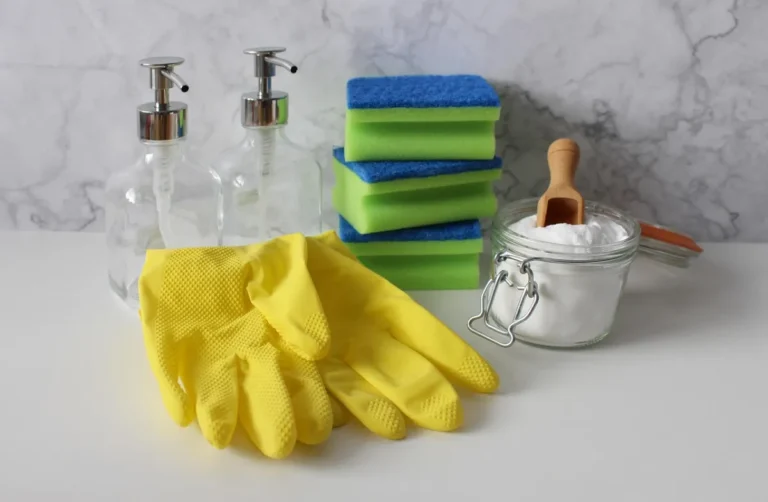
- Open a window or turn on the exhaust fan, and put on rubber gloves.
- Mix half a cup of baking soda with two tablespoons of dish soap into a runny paste.
- Spread it over the pink areas with a soft-bristle brush and scrub gently.
- Rinse the surface well with warm water so no paste is left behind.
- Spray a mix of half a cup of bleach in one gallon of water, wait ten minutes, then rinse.
- Dry every surface with a towel or squeegee.
Never mix bleach with vinegar, ammonia or other cleaners, since the combination releases toxic chlorine gas. If you prefer to avoid bleach, white vinegar or 3% hydrogen peroxide works as the disinfecting step instead. This combination of scrubbing and disinfecting is how to get rid of pink mold in shower grout without damaging the tile.
Drains, Caulk and Shower Curtains
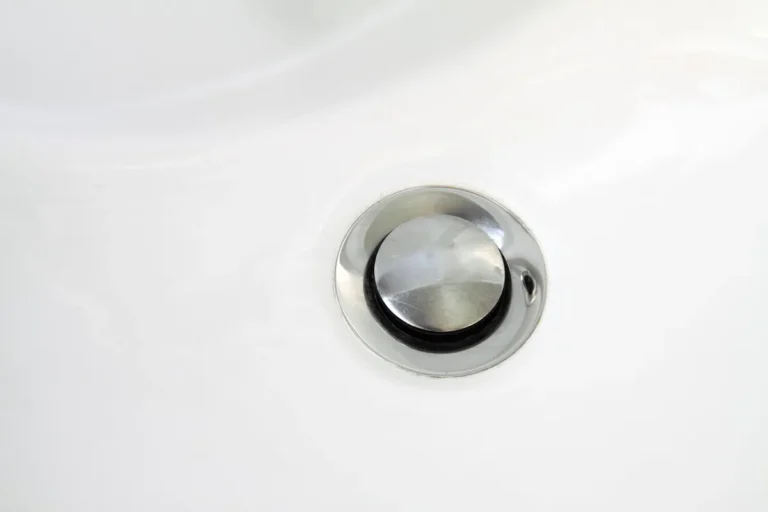
Drains are the spot most people miss when they work out how to get rid of pink mold in shower spaces, since soap residue collects there all day. Remove the drain cover, scrub it and the opening with an old toothbrush and the baking soda paste, then pour a little diluted bleach or vinegar down the drain. Caulk that stays pink after cleaning has the bacteria growing inside it, so cut it out and recaulk with a mildew-resistant silicone.
Bob Vila warns that skipping the shower curtain lets the bacteria spread right back to the tub. Most liners can go in the washing machine on a warm, gentle cycle, and our guide on how to clean shower curtain liner walks through it. Cleaning all of these hidden spots is how to get rid of pink mold in shower areas for good instead of just for a few days.
How to Keep It From Coming Back
Moisture and soap residue are what the bacteria needs, so removing both is the best defense. Squeegee the walls and glass after every shower, and run the exhaust fan for at least 20 minutes. Keeping the fan clean, as shown in how to clean bathroom exhaust fan parts, helps keep that airflow strong.
Store shampoo bottles on a hanging caddy instead of the tub ledge, since the rings under bottles are a common hiding spot. Bob Vila also suggests spreading the curtain fully closed after showering so the folds can dry. A weekly clean with an approach for how to remove soap scum cuts off the food supply, which is the easiest way to keep pink rings from forming again.
Related guides:
FAQs
Is pink mold in the shower harmful?
It is mostly harmless to healthy adults, but it can cause infections in rare cases through cuts or the eyes. People with weak immune systems should avoid contact and clean it promptly.
Why does pink mold keep coming back?
The bacteria is airborne, so it returns whenever soap residue and moisture are left behind. Learning how to get rid of pink mold in shower grout is only half the fix, because prevention matters just as much. Drying the shower daily and cleaning weekly keeps it from settling in again.
Does vinegar kill pink mold?
White vinegar helps break down the soap film and slows the bacteria, but diluted bleach is more reliable for disinfecting bleach-safe surfaces. Never use the two together or one right after the other without rinsing.
What is the pink stuff in my toilet?
The same bacteria often grows at the toilet waterline and inside the tank. The steps in how to remove toilet bowl ring stains show how to clear it.
Final Thoughts
Scrub with baking soda paste, disinfect with diluted bleach or vinegar, and keep the shower dry between uses. Now that you know how to get rid of pink mold in shower spaces, a weekly clean and a quick squeegee will keep those pink rings away.