How to Clean Bathtub Stains on Acrylic, Porcelain and Enamel
A paste of baking soda and dish soap handles everyday grime, while hydrogen peroxide and cream of tartar lift rust and yellow stains from most tubs. Before you work out how to clean bathtub stains, find out what your tub is made of, because a cleaner that is safe on porcelain can scratch acrylic in seconds. Most stains fall into a few types, such as hard water, rust, soap scum and yellowing, and each one needs a slightly different fix. This guide shows how to clean bathtub stains by tub type and by stain, starting with the gentlest option.
Know Your Tub Material First
Tap the side of the tub with your knuckle and feel the surface. A hollow, slightly warm feel that flexes a little usually means acrylic or fiberglass, while a cold, hard, solid sound points to porcelain enamel over cast iron or steel. Home Depot stresses that knowing whether you have acrylic, fiberglass, enamel or porcelain is the first step to good results.
The material decides how to clean bathtub stains safely, because acrylic scratches easily and enamel can chip or dull. Porcelain is the toughest of the three and can handle mild abrasives. If you still have the manual or the brand name, such as Kohler or American Standard, check their care guide for approved cleaners.
How to Clean Bathtub Stains With Baking Soda and Dish Soap
This is the safest first step for every tub type, and it removes light grime, body oil rings and dull patches.
- Rinse the tub with warm water to loosen surface dirt.
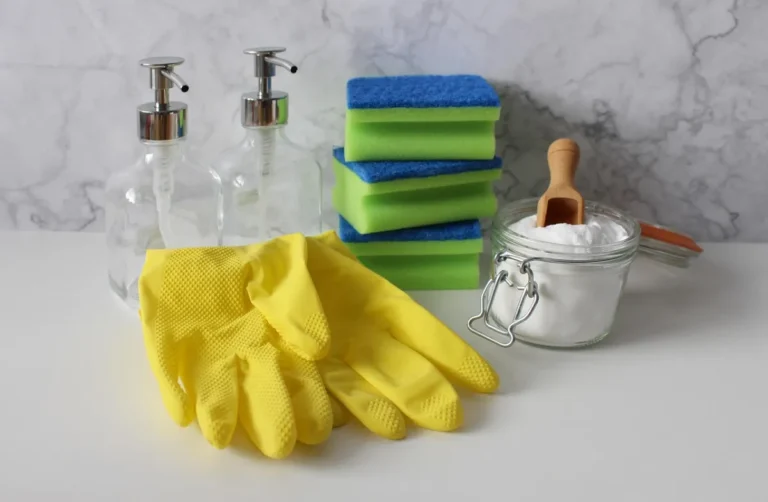
- Mix half a cup of baking soda with enough dish soap, such as Dawn, to form a soft paste.
- Spread the paste over the stained areas with a soft sponge.
- Let it sit for 15 to 20 minutes so the soap can break down oils.
- Scrub gently in circles, then rinse well and dry with a microfiber cloth.
Drying the tub afterward stops new water spots from forming right away. If the stain is still there, the next sections cover how to clean bathtub stains that need a stronger approach.
Rust and Yellow Stains
Rust stains are a common reason people search how to clean bathtub stains. These orange spots usually appear where a metal can sat on the wet rim, or where iron-rich water drips from the faucet. Oh So Spotless recommends a paste of hydrogen peroxide and cream of tartar for these marks.
Homeaglow mixes half a cup of 3% hydrogen peroxide with two tablespoons of cream of tartar into a thick paste. Spread it over the stain, leave it for 10 to 15 minutes, then scrub gently and rinse. For yellowing across a whole acrylic tub, a stronger version of this paste can stay on overnight under plastic wrap. This paste is how to clean bathtub stains caused by rust without the harsh fumes of a chemical rust remover.
Hard Water and Soap Scum
Chalky white rings and cloudy film come from minerals and soap that dry on the surface after every bath. Warm white vinegar sprayed on the tub and left for 15 minutes dissolves most of it, and it is safe on acrylic, fiberglass and porcelain. Our guide on how to remove soap scum covers that film in more detail.
For heavy mineral rings on porcelain, Oh So Spotless suggests Bar Keepers Friend, which uses oxalic acid to break down deposits. They also warn not to leave it on longer than one minute, because it can etch the finish if it sits too long. On acrylic, choose the liquid version rather than the powder, since the powder can scratch. Using the right product for the surface is the core of how to clean bathtub stains without causing new damage.
Tough Stains on Porcelain
Porcelain enamel is the one surface that can handle a little grit, which gives you more options for how to clean bathtub stains that will not move. A wet pumice stone removes stubborn mineral spots on porcelain, but keep it and the surface wet the whole time. Never use pumice on acrylic, fiberglass or enamel-coated steel, because it will leave scratches.
Lowe’s lists ammonia, hydrogen peroxide and dish soap among the safe options for porcelain-enameled tubs. Never mix ammonia with bleach or vinegar, since the combination releases toxic gas. For deep stains, Home Depot suggests laying a towel soaked in hydrogen peroxide over the spot for up to an hour.
What Not to Use
Some popular cleaners cause more harm than the stain itself, so check labels before you scrub. Oh So Spotless warns that bleach can etch enamel and discolor acrylic if it sits too long, and it can make metal fixtures rust.
Skip steel wool, scouring powder and stiff wire brushes on any tub except bare porcelain. Avoid acetone and paint thinner on acrylic, because solvents can soften and cloud the surface. Knowing what to avoid is just as important as how to clean bathtub stains, since a scratched finish collects dirt faster than before.
Related guides:
FAQs
Can I use a Magic Eraser on my bathtub?
A damp Magic Eraser is a quick answer to how to clean bathtub stains on porcelain and fiberglass when they are light. Use only light pressure on acrylic, since it is mildly abrasive and can dull the gloss.
Why does my white bathtub keep turning yellow?
Yellowing often comes from iron or minerals in the water, body oils, or age on older acrylic tubs. A hydrogen peroxide spray left for 15 to 20 minutes, as Lowe’s suggests, brightens it between deeper cleans.
What causes pink stains in the bathtub?
Pink rings around the drain and grout are usually a bacteria called Serratia marcescens rather than a true stain. Our guide on how to get rid of pink mold in shower explains how to remove it.
How do I stop bathtub stains from coming back?
Rinse and wipe the tub dry after each bath, and clean it once a week. Keep metal cans and razors off the rim to prevent rust rings, and see our bathroom cleaning guides for a full routine.
Final Thoughts
Identify the material, start with the gentle paste, and move to peroxide or a specialist cleaner only when you need to. Once you know how to clean bathtub stains for your tub type, a quick weekly wipe keeps the finish bright for years.