How to Remove Toilet Bowl Ring Stains for Good (Hard Water and Bacteria)
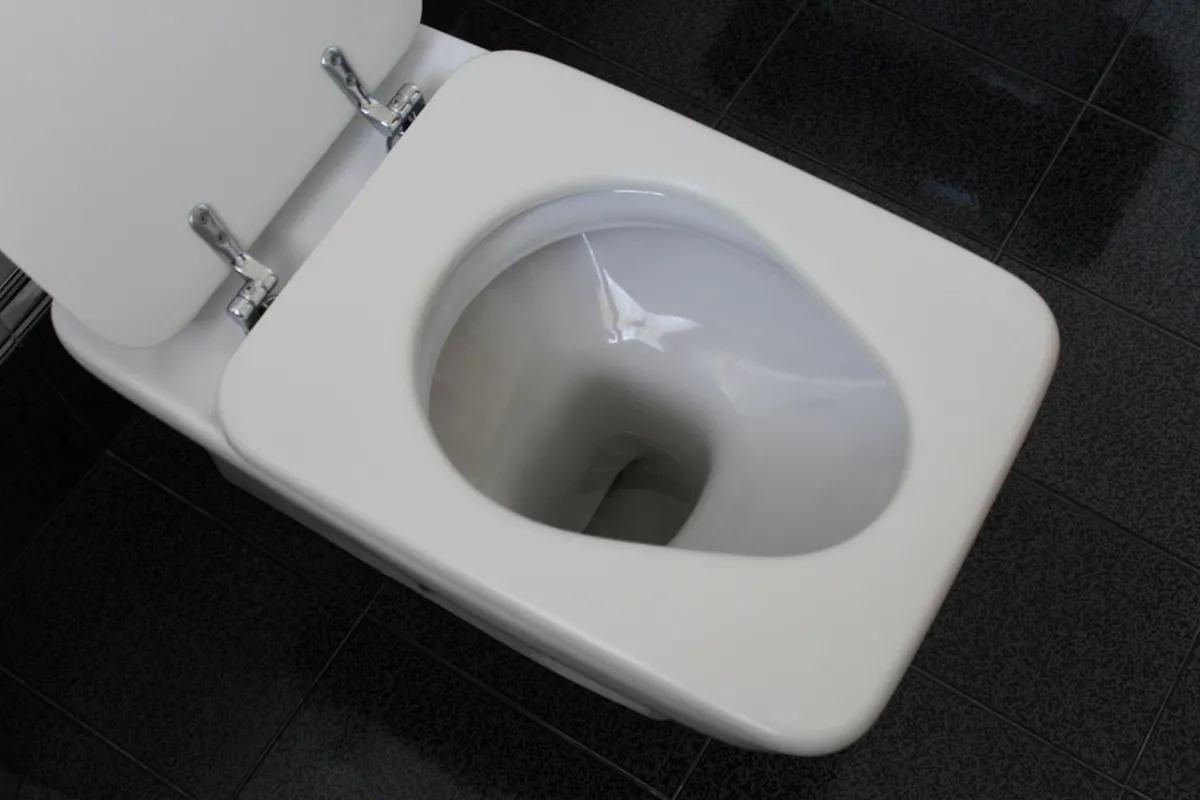
A wet pumice stone or an overnight soak of white vinegar removes most rings, but the right choice depends on what caused yours. If you are figuring out how to remove toilet bowl ring stains that keep coming back after normal scrubbing, the cause is usually hard water minerals or bacteria living at the waterline. Mineral rings feel rough and gritty, while bacterial rings are slimy and come off with a brush more easily. This guide shows how to remove toilet bowl ring buildup of both kinds without scratching the porcelain.
What Causes the Ring?
The cause decides how to remove toilet bowl ring stains, so check the texture with a gloved finger first. Everyday Cheapskate explains that rings form when water sits in the bowl for a long time, letting minerals such as iron and manganese settle along the waterline. Homes with well water or hard water see these rings most, especially in a guest bathroom that rarely gets flushed.
Pink, orange or gray rings that feel slimy are a different problem, usually caused by airborne bacteria feeding on moisture. These wipe away with regular cleaner, but they return quickly unless you clean the bowl every week. Telling the two apart first saves time, because how to remove toilet bowl ring slime is much simpler than scrubbing off minerals.
Step 1: Lower the Water Level
Lowering the water is the first step in how to remove toilet bowl ring buildup, because cleaners work poorly underwater. Every method works better when the cleaner touches the stain directly instead of being diluted. Sensible Digs points out that water in the bowl weakens any cleaning solution, so this first step makes the biggest difference.
Turn off the water valve behind the toilet and flush once, holding the handle until the bowl drains low. A cup or sponge can remove what remains so the full ring sits above the water. Wear rubber gloves for every step that follows.
How to Remove Toilet Bowl Ring Stains With Vinegar and Baking Soda
This is the gentlest place to start, and it often clears light mineral rings on its own. Use this method first when you are learning how to remove toilet bowl ring marks, since it is cheap and safe for porcelain.
- Pour about a cup of white vinegar over the ring and let it soak for 30 minutes.
- Sprinkle a quarter cup of baking soda on the ring, which will fizz as it meets the vinegar.
- Scrub with a toilet brush, focusing on the waterline, then let it sit for another ten minutes.
- Turn the water back on and flush to rinse, then check the ring in good light.
For a tougher ring, soak paper towels in vinegar and press them against the stain so the acid stays in place overnight. Remove the towels in the morning, scrub again and flush.
The Borax Method for Stubborn Rings
Borax is a good backup for how to remove toilet bowl ring stains when vinegar alone has not worked. Borax is a stronger mineral cleaner that works well on older rings. Maid2Match suggests sprinkling a quarter cup of borax into the bowl, adding a cup of vinegar, mixing it over the ring with a brush and leaving it for 20 minutes.
Scrub again after the soak and flush to rinse. Borax is often the answer for how to remove toilet bowl ring stains that survived a vinegar soak, because its mild grit works on the hardened layer. Keep borax stored away from children and pets, and rinse the brush well afterward so no powder is left on the bristles.
Using a Pumice Stone Safely
A pumice stone is the fastest tool for how to remove toilet bowl ring deposits, but only when it stays wet. When liquids do not work, a pumice stone is the tool most cleaners trust for hard water rings. The home advice site Rosie on the House warns that you should only use pumice when both the stone and the bowl are wet, because a dry stone can scratch the toilet. Merry Maids gives the same advice and adds that pumice belongs only on vitreous china, never on colored, enamel or plastic fixtures.
Soak the stone in water for a minute, then rub it gently back and forth over the ring with light pressure. Glen Martin, a cleaning supply maker, describes the motion as erasing pencil from paper, and the ring should fade as you work. Flush to rinse away the dust when you finish, and repeat on any spots that still feel rough under your fingertip. Do not use pumice on colored, matte or specially coated bowls without checking the maker’s care advice first. Everyday Cheapskate also advises using pumice only now and then, because overuse can dull the glaze of vitreous china.
How to Stop the Ring From Coming Back
Clean the bowl once a week with a brush and a regular toilet cleaner such as Lysol or Clorox gel, focusing on the waterline. Flush guest bathroom toilets every few days so water does not sit long enough for minerals to settle.
If rings return within days in every toilet, hard water is the likely cause, and a whole-home water softener or a water test may be worth looking into. Rust-colored rings can also point to iron in your water, which our guide on how to clean toilet tank covers in more detail. Knowing how to remove toilet bowl ring buildup is useful, but a weekly habit means you rarely need the strong methods at all.
Related guides:
FAQs
Will a pumice stone scratch my toilet?
Not if both the stone and the bowl are fully wet and you use light pressure. A dry stone or heavy scrubbing can leave marks, so keep it soaked the whole time.
What is the black ring in my toilet bowl?
A dark ring is usually hard water minerals such as manganese, or mold growing in a bowl that is not flushed often. Mineral rings feel rough and need vinegar, borax or pumice, while mold wipes off with a disinfecting cleaner.
Can I use bleach on a toilet bowl ring?
Bleach removes mold and bacteria stains but does little on mineral rings, and it must never be mixed with vinegar or other acids. If you try both, flush several times between products and wait before switching.
Does Coca-Cola remove toilet rings?
Some people on Hometalk say cola helps on light stains because of its mild acid, but white vinegar is cheaper and does the same job. Neither will remove a thick mineral ring without scrubbing.
Final Thoughts
Start with vinegar and baking soda, move up to borax for older stains, and save the wet pumice stone for the toughest rings. Now that you know how to remove toilet bowl ring buildup safely, a quick weekly brush at the waterline will keep it from coming back.