How to Unclog a Bathroom Sink Without Chemicals
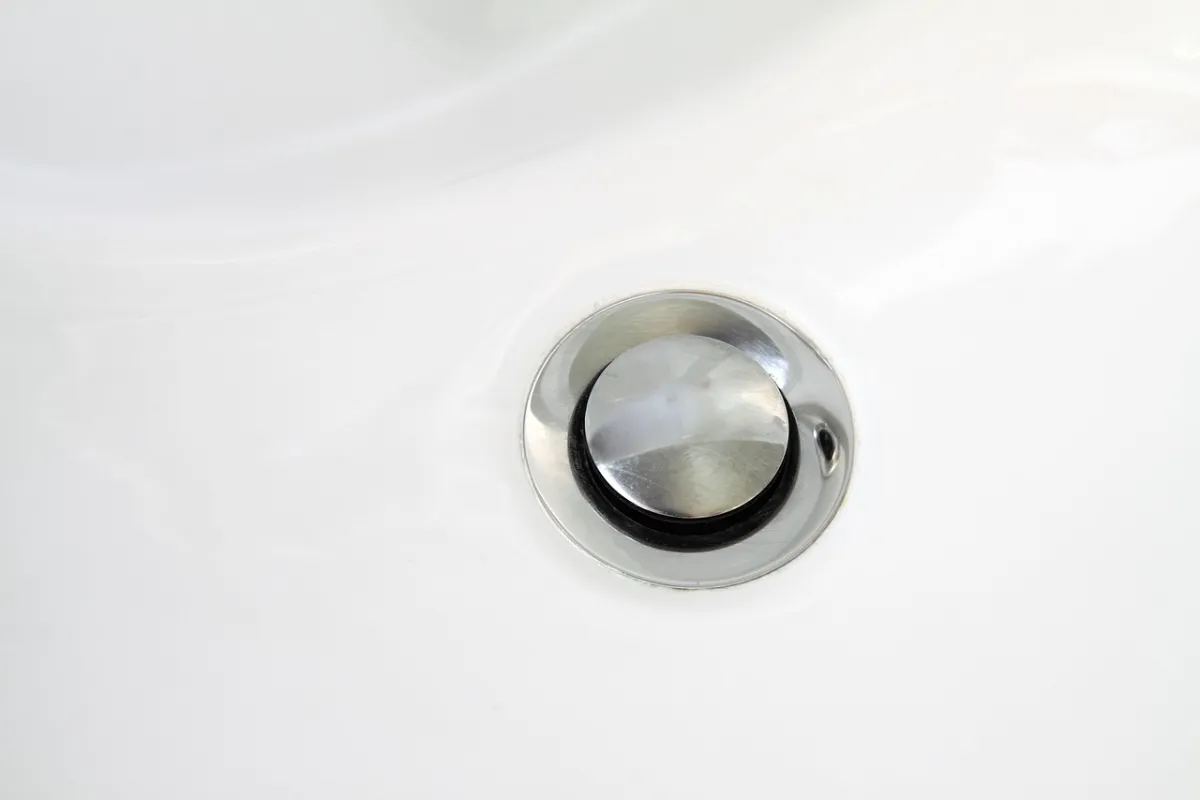
Pull out the pop-up stopper, clear the hair wrapped around it, and most slow bathroom sinks drain normally again within five minutes. If you are learning how to unclog a bathroom sink for the first time, start with the easiest fix and only move to the pipes underneath if the water still sits. Hunker notes that bathroom sink drains almost always clog with hair and soap, which is good news because both come out by hand. This guide shows how to unclog a bathroom sink step by step, from the stopper to the P-trap, without pouring harsh chemicals down the drain.
Why Bathroom Sinks Clog
Hair is the main reason people search how to unclog a bathroom sink, since it slips past the stopper and wraps around the pivot rod that moves it up and down. Soap, toothpaste and shaving cream then stick to the hair and build a dense plug. Small items such as earring backs and caps can also catch on the mess and make it worse.
Build.com explains that a clog usually sits in one of three places. Those are the pop-up stopper, the P-trap or the main sewer pipe. The first two are easy to reach yourself, and they cover almost every clog. Knowing where to look is the first part of how to unclog a bathroom sink quickly instead of guessing.
How to Unclog a Bathroom Sink at the Stopper
The stopper is where most clogs live, so this is always the first step. Some stoppers lift straight out, while others need a quick release from underneath the sink.
- Clear out the cabinet under the sink and set a bucket and an old towel there.
- Try lifting the stopper straight up, or twist it a quarter turn to free it.
- If it will not budge, find the pivot nut on the back of the drain pipe and unscrew it by hand.
- Pull the pivot rod out a little, lift the stopper free, and wipe off the hair and slime.
- Push the rod back in, tighten the nut, and run hot water to test the drain.
This short job is how to unclog a bathroom sink in most homes, and it takes less time than a trip to the store. Clean the stopper once a month to stop the clog from building again.
Use a Zip-It or Plastic Drain Snake
If the stopper is clean but water still drains slowly, the hair is lower down in the tailpiece. A plastic barbed strip, sold as the Zip-It or Drain Weasel, grabs the hair and pulls it up. Hunker says the Zip-It costs about $5, which makes it one of the cheapest tools in any home.
Push the strip down the drain as far as it goes, twist it a few times, then pull it out slowly. Wipe off what it catches and repeat until it comes up clean. This tool is how to unclog a bathroom sink when you cannot reach the clog by hand, and it works with the stopper removed or left in place.
Clean the P-Trap
The P-trap is the last stop in how to unclog a bathroom sink yourself. It is the curved section of pipe under the sink that holds a little water to block sewer gases. When the first two steps fail, the clog is usually sitting in this bend. Place a bucket underneath, then unscrew the two slip nuts by hand or with channel-lock pliers.
Empty the trap into the bucket, pull out any hair or gunk, and rinse the pipe in another sink. Tim Carter of Ask the Builder points out that many people fear this step because the trap can leak when it goes back together. Hand-tighten the nuts, then add a quarter turn with pliers, and check for drips with the water running. Cleaning the trap is how to unclog a bathroom sink that has resisted everything else.
Natural Drain Fresheners and What to Avoid
Baking soda and vinegar will not dissolve a hair clog, but they help freshen a drain after you clear it. Pour half a cup of baking soda down, follow with a cup of white vinegar, wait 15 minutes and flush with hot water. Do this monthly to cut down on soap film and smells.
Chemical openers such as Drano can damage older pipes and splash onto skin, so they are best avoided in a bathroom sink. If you have already poured one in, tell your plumber before they open the trap, since the chemical is still sitting in the pipe. Never mix different drain products, and never use a plunger right after a chemical opener. Choosing safe tools is part of how to unclog a bathroom sink without creating a bigger repair.
When to Call a Plumber
Some jobs go beyond how to unclog a bathroom sink at home, and a clogged main line is one of them. Call a licensed plumber if water backs up into the tub or toilet when you run the sink, since that points to a main line clog. A clog that returns within days, gurgling sounds or a sewage smell are also signs of a deeper problem. Build.com notes that if neither the stopper nor the P-trap solves it, a plumber is the next step.
A hair catcher, such as a mesh strainer or a TubShroom-style insert, is the best way to avoid the next clog. More plumbing and fixture help is in our bathroom cleaning guides and our products and DIY guides.
Related guides:
FAQs
Can I use a plunger on a bathroom sink?
A small cup plunger can help, but block the overflow hole with a wet cloth first so the pressure goes down the drain. It works best on soft clogs rather than tight hair plugs.
Does boiling water unclog a bathroom sink?
Hot tap water helps flush soap film after you clear a clog. Boiling water can soften PVC joints and crack some porcelain sinks, so stick to hot tap water.
Why does my bathroom sink smell after unclogging?
Leftover slime in the overflow hole or a dry P-trap often causes the smell. Scrub the overflow with a bottle brush and run water for a minute to refill the trap. Rubbing alcohol on a pipe cleaner also clears the overflow channel.
How do I keep my bathroom sink from clogging?
Use a hair catcher, clean the stopper monthly, and run hot water for 30 seconds after shaving or brushing. Wiping hair into the trash instead of rinsing it away helps more than any cleaner.
Final Thoughts
Start at the stopper, move to a Zip-It, and open the P-trap only if you need to. Now that you know how to unclog a bathroom sink, a hair catcher and a monthly stopper clean will keep the water flowing.