
Is It Safe to Mix Bleach and Vinegar? What Happens and What to Do
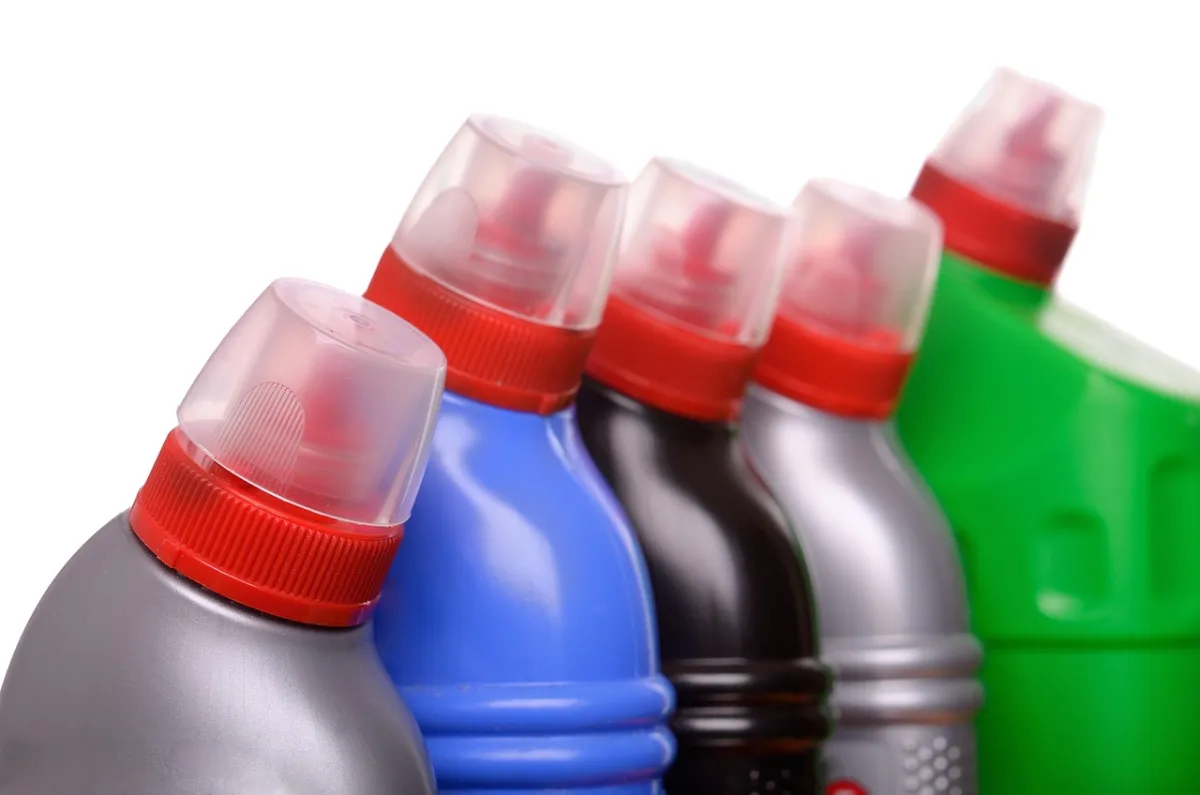
No, mixing bleach and vinegar releases chlorine gas, which irritates your eyes, nose and lungs within seconds and can cause serious harm in a small room. If you are asking is it safe to mix bleach and vinegar because you want a stronger cleaner, the honest answer is that the mix cleans worse and hurts you. The Washington State Department of Health warns against mixing bleach with acids, ammonia or any other cleaner. This guide explains why the answer to is it safe to mix bleach and vinegar is always no, what to do after an accident, and how to use both products safely.
What Happens When You Mix Bleach and Vinegar
Household bleach, sold by brands like Clorox, is mostly sodium hypochlorite mixed with water. Vinegar is acetic acid, and when any acid meets sodium hypochlorite, the reaction gives off chlorine gas. The reaction starts the moment the two liquids touch, so even a splash of vinegar into a bleach bucket is enough to cause fumes.
The bleach also loses its disinfecting power as it turns into gas. Before you ask is it safe to mix bleach and vinegar for extra strength, know that you end up with a weaker cleaner and a cloud of irritating gas. Each product works well alone, which is why it makes sense to keep them apart.
Why Chlorine Gas Is Dangerous
Chlorine gas reacts with the moisture in your eyes, throat and lungs to form acids. The Washington State Department of Health lists coughing, burning or watery eyes, a runny nose and breathing trouble as common effects, even at low levels. Higher levels can cause chest pain, vomiting, pneumonia and fluid in the lungs, and very high levels can be fatal.
When you mix bleach and vinegar in a small bathroom or laundry room with no window, the gas has nowhere to go. Children, pets, older adults and anyone with asthma are at higher risk. America’s Poison Centers reported about 4,800 single-substance chlorine gas exposures from mixing an acid product with bleach in 2021, so this mistake is common.
What to Do If You Mix Bleach and Vinegar by Accident
Leave the room right away and get to fresh air, taking children and pets with you. Open windows and doors only if you can do it without breathing more fumes. Do not stay to clean up or pour anything else onto the mix.
If anyone has trouble breathing, chest pain or a cough that will not settle, call 911. For milder symptoms, call Poison Help at 1-800-222-1222 in the United States, which connects you to a local poison center at no cost. Rinse your eyes and skin with plain water if they sting.
Once the room has aired out and the smell is gone, poison control experts quoted by TODAY say you can flush the mixture down the drain with plenty of water. Wear gloves and keep the door and window open while you do it.
Other Products You Should Never Mix With Bleach
The danger you face when you mix bleach and vinegar also applies to lemon juice and many toilet bowl cleaners, since they are acids too. Some drain cleaners, tile and tub cleaners and rust removers such as CLR are also acidic and give off chlorine gas with bleach. Ammonia, found in some glass cleaners and in urine, forms chloramine gas when it meets bleach.
The same state health page adds that bleach also reacts with hydrogen peroxide, some oven cleaners and some insecticides. Rubbing alcohol is another risky pairing that you should avoid. The safest habit is to use bleach by itself and read every label, since many sprays contain bleach without saying so on the front.
How to Use Bleach and Vinegar Safely
You can use both in the same home, and the only safe way to mix bleach and vinegar into one routine is to use them at different times. Bob Vila recommends rinsing the first cleaner off with water and letting the surface dry before you use the other. If you poured bleach into a toilet, flush it twice before adding vinegar to remove hard water stains.
Keep vinegar out of any laundry load that contains bleach, since the closed drum traps fumes you breathe when you open the lid. Store the two bottles on separate shelves, label any spray bottle you refill, and keep the room ventilated while cleaning. For rust in the bowl, our guide on how to remove rust stains from toilet bowls uses vinegar alone, and bleach is not needed.
Better Choices for Common Jobs
Most cleaning jobs only need one product, so there is rarely any reason to mix bleach and vinegar at all. Vinegar handles hard water, soap scum and mineral deposits, which is why our steps for how to remove soap scum use it alone. Diluted bleach is the better pick for disinfecting and for mold on non-porous surfaces such as tile.
For mildew and pink film, a single cleaner used with good airflow does the job. The shower curtain liner cleaning guide shows how. When you are unsure, the question is it safe to mix bleach and vinegar has the same answer every time, so pick one product and stick with it.
Related guides:
FAQs
Can I use vinegar after cleaning with bleach?
Yes, as long as you rinse the bleach away with plenty of water and let the surface dry first. Leftover bleach can still react with vinegar, and rinsing means you never mix bleach and vinegar on the surface by mistake.
How long does chlorine gas from bleach and vinegar last?
It depends on how much you mixed and how well the room is ventilated. Stay out until the sharp smell is gone and the room has had a good airing.
Is it safe to mix bleach and baking soda?
Baking soda is not an acid, so it does not release chlorine gas the way vinegar does. Many cleaning experts still advise against it, because it adds little cleaning power.
What does chlorine gas smell like?
It has a sharp, harsh smell, similar to a strong swimming pool odor. If you notice it after mixing products, leave the room right away.
Final Thoughts
Bleach and vinegar each do a good job alone, but together they release chlorine gas that can injure your lungs. So if anyone asks is it safe to mix bleach and vinegar, tell them no, rinse between products, and call Poison Help at 1-800-222-1222 after any accident.