
Does Vinegar Kill Mold? What It Can and Cannot Do
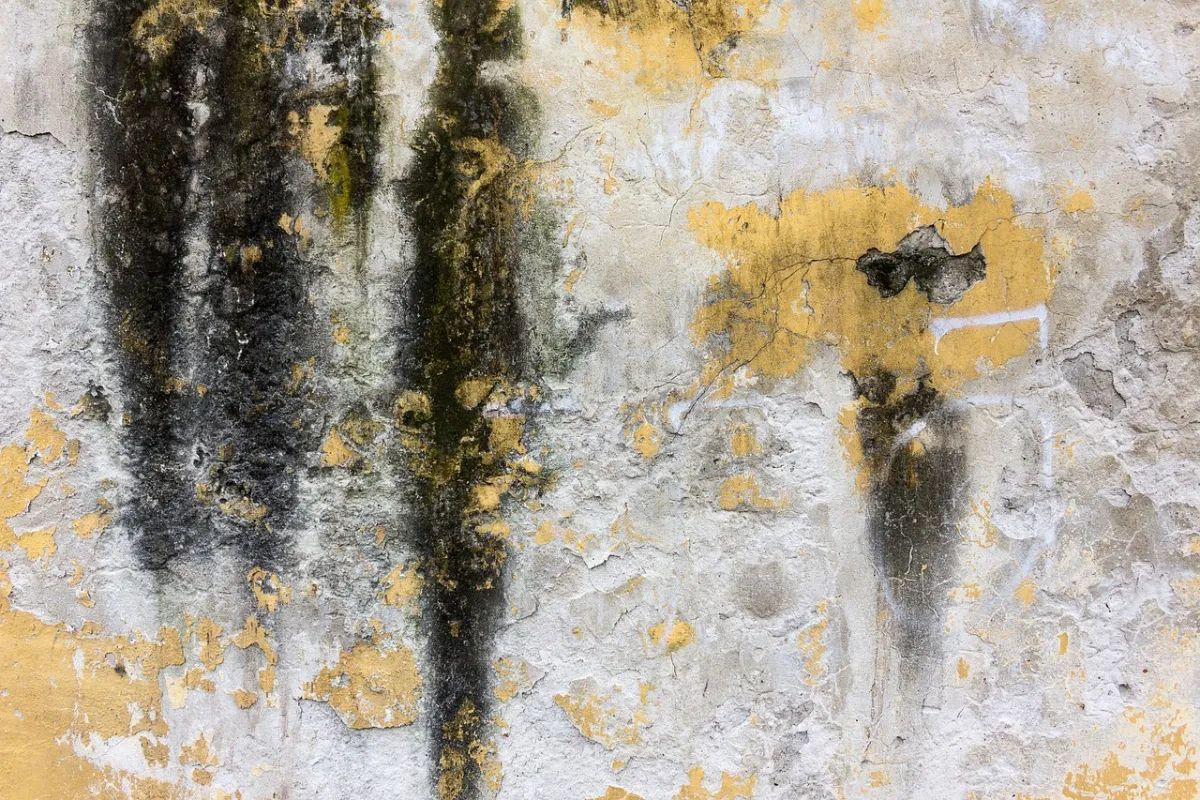
Yes, plain white vinegar kills many common household molds on hard, nonporous surfaces like tile, glass and sealed counters, but it does not kill every type. So the honest answer to does vinegar kill mold is that it works well for small patches in the bathroom and kitchen, and poorly on drywall, carpet or wood that stayed wet. Moisture is the real cause of mold, so any cleaner only helps if you also fix the damp. This guide covers when the answer to does vinegar kill mold is yes, how to use it, and when to call in a pro.
Does Vinegar Kill Mold? What the Research Says
A 2015 study published in the International Journal of Environmental Research and Public Health tested household cleaners on common indoor molds. Vinegar with about 4 percent acetic acid was able to treat Penicillium chrysogenum but not Aspergillus fumigatus. In other words, the answer to does vinegar kill mold depends partly on which mold you have.
Most people cannot tell mold species apart by eye, so treat vinegar as a good first step, not a guaranteed cure. If spots return within days, the mold may be resistant or growing deeper than vinegar can reach.
Where Does Vinegar Kill Mold Best?
Vinegar does its best work on hard surfaces where mold sits on top. Shower tile, glass doors, sinks, window frames and sealed countertops are good examples. The acid can reach the whole colony, and you can scrub the rest away.
Washable items like shower curtains and some fabrics also respond well to a vinegar soak or rinse cycle. The shower curtain liner cleaning guide uses vinegar in the washing machine. For pink film around drains, see our guide on how to get rid of pink mold in shower corners.
Where Vinegar Falls Short
Porous materials such as drywall, ceiling tiles, carpet and unsealed wood let mold grow roots below the surface. Vinegar may lighten the stain while living mold stays underneath. The EPA advises that porous items which stay moldy may need to be thrown away and replaced.
Vinegar is also a poor choice on natural stone like marble, since its acid etches the surface. On those surfaces, use a stone-safe cleaner and keep the area dry. Knowing these limits is the most useful part of the answer to does vinegar kill mold.
How to Use Vinegar on Mold
If you are testing does vinegar kill mold in your own shower, start with a small patch. Wear gloves and a mask, and open a window before you start. Then follow these five simple steps in order.
- Pour undiluted white distilled vinegar into a spray bottle.
- Spray the moldy area until it is fully wet.
- Leave it for about an hour without rinsing.
- Scrub with a stiff brush or old toothbrush, then wipe with clean water.
- Dry the surface completely with a towel or fan.
Repeat every few days if the spots come back, and keep the area dry between treatments. Most cleaning pros suggest straight vinegar rather than a weak mix with water, since the acid needs strength to work.
Never Mix Vinegar With Bleach
People who doubt does vinegar kill mold on its own sometimes add bleach, which is dangerous. The two release chlorine gas, which can injure your lungs within minutes. Our guide on is it safe to mix bleach and vinegar explains the risk and what to do after an accident.
The EPA also notes that bleach is not usually needed for mold cleanup. For most hard surfaces, it says detergent and water followed by thorough drying is enough. Hydrogen peroxide at 3 percent is another option, but use it separately from vinegar.
When to Call a Professional
The EPA suggests that a homeowner can usually handle a moldy area smaller than about 10 square feet. Larger patches, mold inside walls or air ducts, or growth after sewage or flood water need a trained remediation company. Call one if anyone in the home has asthma or allergies that flare up near the mold.
Professionals find the moisture source, remove damaged materials safely and dry the structure. They can also test the air if you suspect hidden growth.
Stop Mold From Coming Back
The best answer to does vinegar kill mold is only half the job, because mold returns wherever moisture stays. Fix leaks quickly, run a bathroom fan during and after showers, and wipe wet tile at the end of the day. The EPA recommends keeping indoor humidity below 60 percent, ideally between 30 and 50 percent.
A cheap hygrometer shows your home’s humidity level, and a dehumidifier helps in basements. Our guide on how to clean bathroom exhaust fan parts keeps steam moving out of the room.
Related guides:
- How to get rid of pink mold in shower
- Is it safe to mix bleach and vinegar?
- How to clean bathroom exhaust fan
FAQs
Is vinegar better than bleach for mold?
Vinegar is safer to use and works on many molds on hard surfaces. Bleach removes stains well but is not needed for most jobs, and the two must never be mixed.
Does vinegar kill black mold?
It can kill some dark molds on hard surfaces, but the color alone does not tell you the species. Large or recurring black mold should be checked by a pro.
Does vinegar kill mold on drywall?
It may kill surface growth on painted drywall, but mold that has soaked into the paper and gypsum usually survives. The EPA advises replacing drywall that stays moldy after cleaning.
Can I use apple cider vinegar on mold?
White distilled vinegar is the usual choice because it is clear and will not tint grout or caulk. Apple cider vinegar has similar acidity, but its color may leave a faint tint on light surfaces.
How long should vinegar sit on mold?
Leave it for about an hour before scrubbing. That gives the acid time to work on the mold before you wipe it away.
Final Thoughts
Vinegar is a cheap, useful tool for small mold patches on hard surfaces, but it is not a cure for wet drywall or large outbreaks. So the real answer to does vinegar kill mold is yes in the right spot, as long as you also fix the moisture that let it grow.