Kitchen Sink Smells: What Causes Them and How to Get Rid of Each One
Most kitchen sink smells come from rotting food and grease in the drain, a dirty garbage disposal or a dried-out P-trap, and each one has a simple fix. The smell itself is the best clue, because a sour food odor points to buildup while a rotten egg or sewage smell points to sewer gas. Matching the fix to the cause saves you from pouring cleaner after cleaner down a drain that needs something else. This guide walks through the common kitchen sink smells, what each one means and when it is time to call a plumber.
Match the Smell to the Cause
Start by sniffing in different spots, because the source is not always the drain. A sour or rotten food smell usually comes from grease and scraps stuck in the drain, disposal or sink stopper. A musty smell often means mold on a wet sponge, a dish rack or the cabinet under the sink.
A rotten egg or sewage smell is different. It usually means sewer gas, which carries hydrogen sulfide, is getting into your kitchen. Knowing which of these kitchen sink smells you have tells you exactly where to start.
Food and Grease Buildup in the Drain
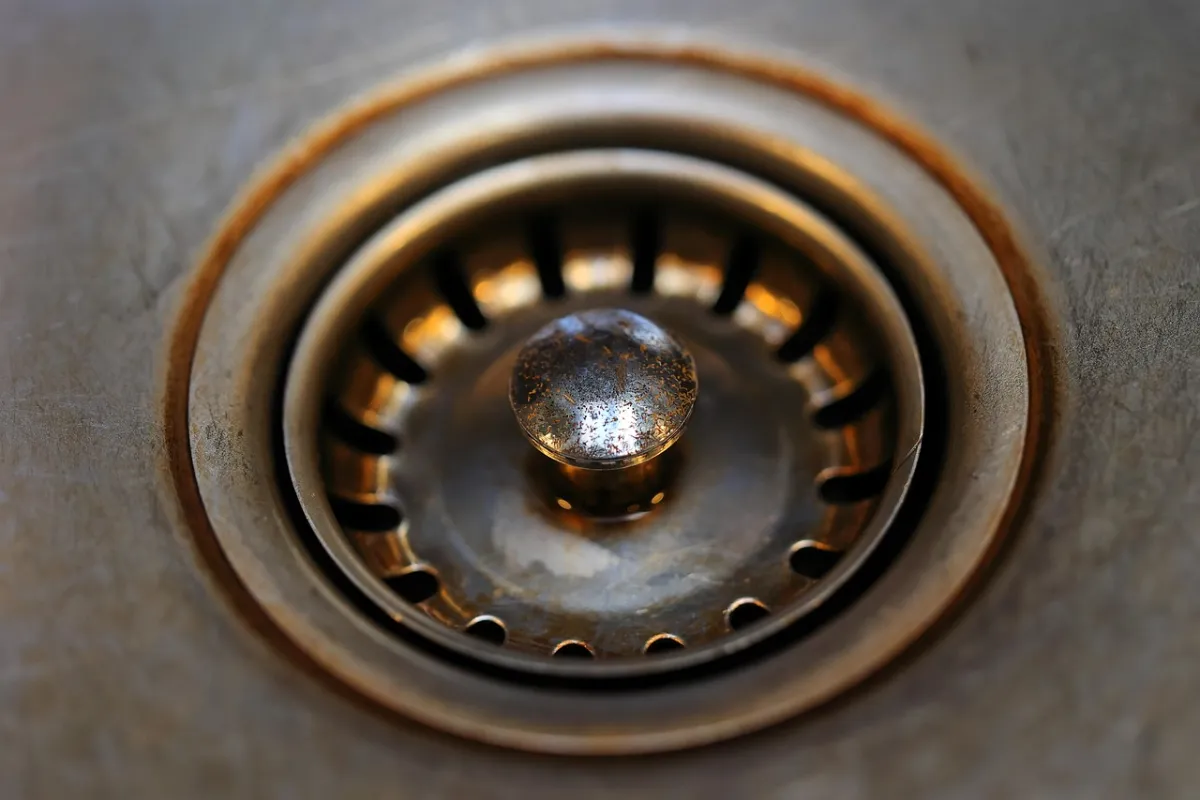
Grease poured down the sink cools, sticks to the pipe walls and traps food scraps, which then rot. Over time, bacteria form a slimy layer called biofilm that gives off a sour odor. This is the most common source of kitchen sink smells in busy homes.
To clear light buildup, pour half a cup of baking soda down the drain, then add a cup of white vinegar. Let it fizz for 15 minutes, then flush with a kettle of hot water. Repeat weekly, and wipe grease from pans with a paper towel before washing them.
A Dirty Garbage Disposal
If your sink has a disposal, food often hides under the rubber splash guard and on the grinding parts. Lift the flaps and scrub them with an old toothbrush and dish soap, since this one spot causes many kitchen sink smells. Then grind a handful of ice cubes with a spoonful of baking soda and cold water running.
Our full guide on how to clean garbage disposal units covers the weekly routine and the myths to avoid. Always cut the power before reaching anywhere near the grinder.
A Dry or Dirty P-Trap
The P-trap is the curved pipe under the sink, and it holds a small pool of water that blocks sewer gas. If a sink goes unused for weeks, that water can evaporate and let the smell in. The plumbing company Mr Rooter suggests running water for a few minutes to refill a dry trap, and the odor often fades soon after.
A trap can also collect sludge that smells even when it is full. Place a bucket underneath, unscrew the slip nuts by hand, and rinse the trap out in another sink or outdoors. Reattach it snugly and run water to check for leaks. Cleaning the trap clears some of the most stubborn kitchen sink smells.
Dishwasher Drain Hose and Air Gap
Not all kitchen sink smells start in the sink itself. Many dishwashers drain into the sink plumbing, so a dirty filter or drain hose can send odors back into the sink. Pull out and rinse the dishwasher filter, which many models from brands like Bosch and Whirlpool have at the bottom of the tub. If your sink has a small metal cap called an air gap, pop it off and clear any gunk inside.
The hose should loop up high under the counter before it connects to the drain. A sagging hose can hold dirty water that slowly turns sour.
When Kitchen Sink Smells Mean a Plumbing Problem
Some kitchen sink smells point to issues you cannot fix with baking soda. Call a licensed plumber if you smell sewage from more than one drain, hear gurgling when water drains, or the odor keeps returning after you refill the trap. These signs can mean a blocked vent pipe or a problem in the main sewer line.
A blocked roof vent stops air from balancing the pipes, which can pull water out of the trap. A cracked drain pipe under the house can leak gas too. Both need a pro with the right tools, and ignoring them can lead to bigger repairs.
Daily Habits That Prevent Odors
Good habits stop most kitchen sink smells before they start. Scrape plates into the trash or compost before rinsing, and never pour grease or oil down the sink. Run the tap for 30 seconds after washing dishes to push scraps through. Replace or sanitize sponges often, since a damp sponge can smell worse than the drain itself.
Keep the drain stopper and strainer basket clean, and empty the basket after every meal. For a smelly bathroom sink with similar problems, see our guide on how to unclog a bathroom sink.
Related guides:
FAQs
Why does my kitchen sink smell like rotten eggs?
A rotten egg smell usually means sewer gas from a dry P-trap or a venting problem. Run water to refill the trap first, and call a plumber if the smell returns.
Can I use bleach to fix a smelly sink?
Bleach can mask odors but does little to break down grease. Never mix it with vinegar or other cleaners, as our guide on is it safe to mix bleach and vinegar explains.
Do enzyme drain cleaners work?
Enzyme or bacterial drain cleaners can slowly digest biofilm and food buildup. They work best used regularly overnight, when the drain is not in use.
Why does my sink smell only when the dishwasher runs?
A dirty dishwasher filter, a blocked air gap or a sagging drain hose can push odors into the sink. Clean the filter and check the hose loop first.
Final Thoughts
Sniff to find the source, clear grease with baking soda and hot water, clean the disposal and P-trap, and call a plumber for sewage odors that keep coming back. Most kitchen sink smells disappear with those simple steps and a few better daily habits.