How to Wash a Weighted Blanket Without Ruining It (or Your Washer)

Most weighted blankets under about 20 pounds can go in a large front-loading washer on a gentle, cold cycle, while heavier ones belong in a laundromat machine or a bathtub. The tricky part of how to wash a weighted blanket is not the soap, it is the weight, because a wet 15-pound blanket can feel twice as heavy and strain a home machine. The fill inside matters just as much, since glass beads, plastic pellets and rice all react differently to water and heat. This guide on how to wash a weighted blanket covers the label check, both washing methods and the safest way to dry it.
Check the Label and the Fill First
The care tag is the first step in how to wash a weighted blanket, because it lists the fill type and weight limits. Every brand handles care a little differently, so the tag sewn into the corner is your starting point for how to wash a weighted blanket you own. Look for the washing symbols, the maximum water temperature and any note about drying, then take a photo of the tag so you still have it if the label fades. Lindsay Jones from Maytag told Apartment Therapy that checking the tag for care instructions is the very first step, and the manufacturer’s website is the backup if the label is gone.
Next, find out what is inside the blanket, because the fill decides which method is safe. Glass beads and plastic poly pellets are usually washable, but Tide warns that organic fills like rice, beans, corn or sand should never go in a washing machine. Saatva adds that plastic pellets can melt if the water is too hot, which is why cold or cool water is the safe default.
Some blankets are not meant to be fully washed at all. Casper recommends spot cleaning only for its own weighted blanket, so read the label even if a friend’s blanket survived the washer.
How to Wash a Weighted Blanket in the Washing Machine
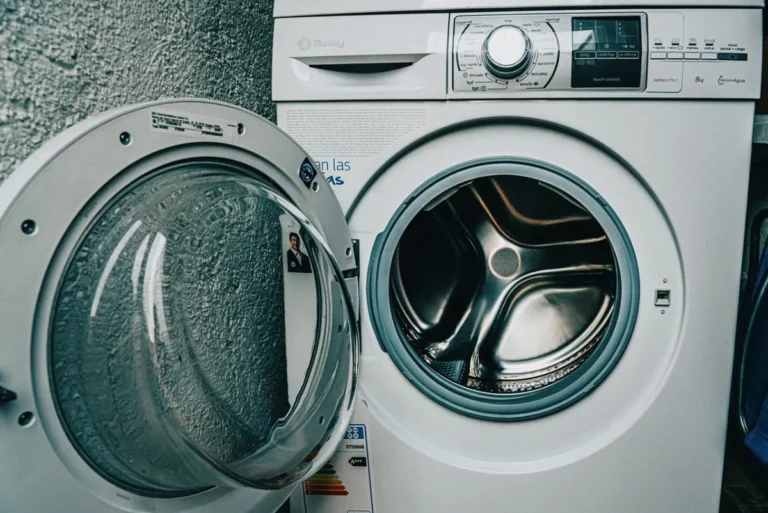
The machine method is the easiest answer to how to wash a weighted blanket if your washer can handle the load. Washing a weighted blanket in the washing machine is the easiest route when the label allows it and your drum is big enough. Wayne Edelman of Meurice Garment Care told Homes & Gardens that the item should fill no more than two-thirds of the drum. He also prefers front loaders for this job, since they tumble the blanket instead of twisting it.
- Remove the cover if your blanket has one and wash it separately like regular bedding.
- Spot treat any stains on the inner blanket with a little mild detergent and a soft cloth.
- Place the blanket in the drum by itself and spread it out evenly so the load stays balanced.
- Add a small amount of mild, dye-free detergent, and skip bleach and fabric softener completely.
- Choose the gentle or delicate cycle with cold water and an extra rinse if your machine has one.
- Check the stitching after the cycle, because a split seam can leak beads on the next wash.
Weight limits vary, so treat any number as a guide rather than a rule. Tom’s Guide and Dropps suggest that blankets under 20 pounds are usually fine at home, while Casper puts the cutoff closer to 25 pounds and Saatva is more careful at 15 pounds. Check the capacity in your washer’s manual, and if your drum looks crowded, head to a laundromat with a large commercial machine instead.
How to Hand Wash a Weighted Blanket
When the blanket is too heavy for your washer, the bathtub is the safest choice for how to wash a weighted blanket at home. If the label says hand wash only, or the blanket is simply too heavy, your bathtub works well. This is how to wash a weighted blanket when no machine is safe, and it suits blankets filled with steel beads too. You can hand wash a weighted blanket in about half an hour, though lifting it out at the end is easier with a second person.
Fill the tub with cold or lukewarm water and stir in a capful of mild detergent until it dissolves. Push the blanket under the water, then knead it gently with your hands for several minutes so the soapy water moves through every pocket. Drain the tub, refill it with clean water and press the blanket again until no suds come out. Finally, press out as much water as you can without twisting or wringing, since twisting can tear the inner pockets and shift the beads.
How to Dry a Weighted Blanket Safely
Drying is the part of how to wash a weighted blanket where most damage happens, so take it slowly. Drying is the step where most people go wrong with how to wash a weighted blanket, because a damp center can smell musty for weeks. Air drying is the safest choice for most blankets, since heat can weaken seams and melt plastic pellets. Lay the blanket flat on a drying rack, a clean floor sheet or across two chairs, and flip it every few hours so both sides dry evenly. A fully soaked blanket can take a day or more to dry, so start in the morning and make sure it is completely dry before you use it again.
If the label allows a dryer, choose low heat and a machine with enough room for the blanket to tumble. Pull it out every 20 to 30 minutes, shake it so the beads spread back out, and finish air drying if any pockets still feel damp. Glass beads handle a low dryer better than plastic, but the care label still has the final say.
How Often Should You Wash It?
Knowing how to wash a weighted blanket is only half the job, since a sensible schedule keeps it fresh between deep cleans. LG suggests washing a weighted blanket every three weeks if you use it daily and every three to four months if you use it only now and then. Washing it more often than it needs wears the fabric and stitching faster, so let the cover do most of the work. A simple calendar reminder makes it easy to remember how to wash a weighted blanket on schedule instead of waiting until it smells.
A removable duvet cover is the simplest way to keep the inner blanket fresh between washes. YnM recommends using its weighted blankets with a cover so you only wash the light outer layer, and Hush sells several blankets with removable covers built in. If a spill hits the inner blanket, treat it right away, and our laundry and stain guides show what to use on blood, coffee and grease.
Related guides:
FAQs
Can I wash a weighted blanket in a regular top-loading washer?
You can if the label allows it and the blanket fits loosely, but a top loader with a center agitator can twist and tear the inner pockets. A front loader or a high-efficiency top loader without an agitator is a safer choice, and a laundromat machine is best for heavy blankets.
Where can I wash a blanket that is too big for my machine?
A Reddit user asked this about a giant machine-washable blanket, and the most practical answer is a laundromat with large commercial washers. Many laundromats also offer a drop-off wash and fold service, which saves you from carrying a wet, heavy blanket home.
How do I clean a weighted blanket with glass beads?
A weighted blanket with glass beads usually handles a gentle cold machine cycle if the label allows it, because the beads do not melt. For this fill, how to wash a weighted blanket safely comes down to cold water, a gentle spin and no fabric softener. Check the seams before washing, since tiny glass beads leak easily through a small tear.
Can I put a weighted blanket in the dryer?
Only if the care label says so, and only on low heat with room for it to tumble freely. When in doubt, air dry it flat, which is slower but cannot damage the fill. Anyone unsure about how to wash a weighted blanket and dry it by brand can also contact the maker through its website, where most brands list care steps for each model.
Final Thoughts
Check the label, know your fill, respect your washer’s weight limit and keep the heat low, and your blanket will stay soft and evenly weighted for years. Now that you know how to wash a weighted blanket the safe way, put a washable cover on it so the next clean is just a quick load of bedding.