How to Clean Epoxy Garage Floor Coatings Without Dulling the Shine
Sweep or dust mop the grit away, then mop with two to three ounces of household ammonia in a gallon of warm water and squeegee the floor dry. That mix is how to clean epoxy garage floor coatings for most homes, and it leaves no soapy film behind. Vinegar, citrus cleaners and many soaps seem harmless, but they can dull the gloss or make the floor slippery when wet. This guide covers how to clean epoxy garage floor surfaces week to week, plus how to handle oil, tire marks and road salt.
Why Epoxy Needs the Right Cleaner
Epoxy is a hard resin coating, and its glossy topcoat is what makes it easy to sweep and wipe. Acids such as vinegar and citrus slowly break down that topcoat, leaving the floor hazy over time. Angi warns that soap-based cleaners can also leave a film that reduces shine and turns slick underfoot.
Grit is the other enemy, since sand and dirt act like sandpaper under tires and shoes. Both points shape how to clean epoxy garage floor coatings so they last for years instead of fading in a season.
Many garage floors are topped with polyaspartic or polyurethane rather than pure epoxy. The same gentle approach works on all of them, so how to clean epoxy garage floor coatings also covers most other resin floors. If your installer left care instructions, follow those first, since some brands sell their own cleaners.
What You Need
Gather a soft broom or a large microfiber dust mop, a microfiber or foam mop, a bucket and a rubber floor squeegee. You also need clear household ammonia, such as Parsons’, and a few shop cloths. A shop vac helps with puddles and spills.
Leave steel wool, wire brushes and stiff deck brushes in the shed. Skip vinegar, lemon cleaners, dish soap and oil soaps for routine mopping too. The right short list of supplies is half of how to clean epoxy garage floor surfaces without damage.
How to Clean Epoxy Garage Floor Coatings Step by Step
Plan a full mop every few weeks, or more often in winter. The job usually takes less than 30 minutes for a two-car garage.
- Move cars and clutter out of the way.
- Sweep or dust mop the whole floor to remove grit.
- Mix two to three ounces of ammonia into one gallon of warm water.
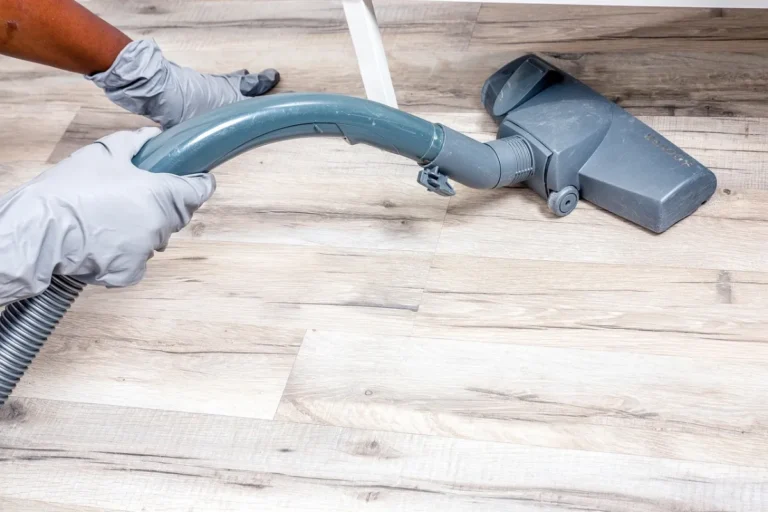
- Mop in sections with a well-wrung microfiber or foam mop.
- Push the water out with a squeegee or soak it up with a shop vac, then let it dry.
Open the garage door for airflow while you work with ammonia, and wear gloves if your skin is sensitive. Never mix ammonia with bleach, because together they form toxic chloramine gas. Following these steps is the simplest routine for how to clean epoxy garage floor coatings.
Oil, Antifreeze and Chemical Spills
Wipe up oil, brake fluid, antifreeze and battery acid as soon as you see them. Some chemicals can stain or soften the coating if they sit, so speed matters more than the cleaner. Blot with a shop cloth, then wipe with warm water and a little of your ammonia mix.
For a greasy patch, a diluted degreaser such as Simple Green works well. Mix it as the label directs, scrub gently with a soft brush, then rinse with clean water. Rinsing is the key step, since any leftover cleaner can leave a dull spot.
Tire Marks and Road Salt
Hot tires can leave dark marks, especially on cheaper coatings. Start with the ammonia mix and a soft scrub brush, and let it sit for a few minutes before scrubbing. Stubborn marks may need a stronger degreaser, but always test a small hidden area first.
Winter road salt leaves a white, chalky film that can feel gritty. Sweep up loose salt, then mop with warm water and rinse twice to dissolve the rest. A rubber mat under each car catches melting snow and makes how to clean epoxy garage floor coatings easier in cold months.
Habits That Protect the Coating
Good habits do more for how to clean epoxy garage floor coatings than any product. Sweep or dust mop once or twice a week to keep grit off the surface. Put walk-off mats at the house door and under work benches. Lift ladders, tool chests and bike stands instead of dragging them across the floor.
Place plywood or a mat under jack stands and kickstands, which can dent or scratch the epoxy. For other hard floors in the house, see our guide on how to clean floor tile grout and our floors and carpet guides.
Related guides:
FAQs
Can I use vinegar on an epoxy floor?
It is best to avoid vinegar on any coated garage floor. Vinegar is an acid that can slowly dull the glossy finish, so stick with diluted ammonia or a cleaner your installer recommends.
Is a pressure washer safe on epoxy?
A gentle setting can be fine on well-bonded coatings, but high pressure may lift peeling edges. Check with your installer before using one.
Why is my epoxy floor slippery after mopping?
Soap residue left behind by dish soap or oil soap is the usual cause. Mop with clean water and a little ammonia to remove the film, then squeegee the floor dry.
How often should I clean an epoxy garage floor?
Sweep weekly and mop every few weeks, or more often during wet or snowy months. Wipe spills right away whenever they happen.
Final Thoughts
Keep grit off with regular sweeping, mop with a weak ammonia solution and squeegee the floor dry. Avoid acids and soaps, and you know how to clean epoxy garage floor coatings so the shine lasts for years.